


The end of the year can feel hectic for families, but it is also one of the most practical times to think about orthodontic treatment. Many health fund benefits reset on 1 January, which means unused extras are often lost. At the same time, the school holidays give kids extra space to settle into new braces or aligners without the pressure of classes and activities.

For Gold Coast families looking for trusted guidance, Gullotta Orthodontics offers supportive, expert care and clear advice on the best way to start treatment before the new year begins.

Why End-of-Year Is a Smart Time to Begin Treatment

Starting treatment now can make a meaningful difference to both your budget and your overall experience. The end of the year often provides advantages that aren’t available once January arrives, and even a simple consultation can help you make the most of them.

Health Funds Often Reset on 1 January

Most health funds don’t roll over unused extras, which means any remaining dental or orthodontic benefits usually expire at the end of December. If you’ve been considering braces or clear aligners, booking a consultation now can help you understand what support is still available and how to use it before it resets.

Quick Tips to Make the Most of Your Health Fund

  • Check your remaining orthodontic or dental extras before they expire.
  • Ask your fund whether orthodontics falls under your “lifetime limit.”
  • Book your consultation before the 19th of December so you know exactly what can be claimed now and what can be planned for next year.
  • Keep your receipts and treatment plan handy for easy claiming.

Learn more about claiming with Medibank, Bupa, HBF and HCF

Even a Consultation Helps You Prepare Financially

You don’t need to start treatment straight away to benefit. A consultation gives you a clear understanding of costs, timelines, and payment options, and helps you map out the best way to spread expenses across benefit years. This early planning gives adults, teens, and families the confidence of heading into the new year with a clear plan and no last-minute pressure.

What to Expect at Your First Consultation

Your first visit is relaxed and informative. Our team takes the time to understand your goals and identify the best treatment pathway. During your consultation, you can expect:

  • A full orthodontic assessment, including photos and digital scans
  • A clear explanation of your treatment options, timelines, and expected outcomes
  • Transparent costs and payment options
  • Guidance on how to use your health fund benefits effectively
  • Answers to any questions so you feel informed and confident

Why School Holidays Are Ideal for Starting Orthodontic Treatment

The school holidays offer a practical window for families thinking about orthodontic treatment. 

  • Extra time to adjust to braces or aligners: Children can adapt to new appliances without rushing back to school, giving them space to manage any early tenderness, speech changes, or new cleaning routines.
  • Easier appointments without schedule conflicts: Holidays remove the pressure of classes, assessments, and after-school activities, making it simpler to book times that suit the whole family.
  • A smoother start before the school term begins: By beginning treatment during the break, children return to school already settled and confident, with less disruption once the routine starts again.

Orthodontic Treatment Options to Consider

The end of the year is an ideal time to begin orthodontic treatment or take the first steps in planning. Whether you’re considering braces, clear aligners, or an early assessment for your child, there are several options available:

Braces

Traditional braces are a reliable choice for crowding, spacing, and bite issues. Gullotta Orthodontics offers several types of braces to suit different needs:

  • If you prefer something more discreet,clear braces use tooth-coloured brackets that blend naturally with your smile.
  • For a more customised approach, LightForce braces use 3D-printed brackets made specifically for each tooth, offering precision and comfort.
  • We also offer Damon braces aka metal braces, a self-ligating system designed to reduce friction and use lighter forces for a smoother and quicker treatment experience.

Clear Aligners

Clear aligners are popular for both adults and teens who want a discreet treatment option. The holidays provide the perfect window to complete the early steps such as digital scans and treatment planning.

  • Invisalign uses a series of custom-made clear aligners to guide your teeth into place.
  • Spark Aligners are another advanced option known for their clarity, comfort, and precise fit.

Early Assessments for Younger Children

School holidays are also a convenient time for early orthodontic checks. An early assessment can help identify concerns while they’re easier to manage. You can learn more about this process on our page for children under 10.

Support for Common Orthodontic Concerns

If you’re noticing issues such as crowding, spacing, bite problems, our common problems pages outline early signs to look for and when it may be time to book a consultation.

Ready to Get Started?

If you’ve been thinking about orthodontic treatment, now is a great time to take the first step. Booking a consultation gives you clear answers, personalised guidance, and a plan that suits your goals and schedule.

Getting in early also means you can make the most of your health fund benefits and secure appointment times before the new year and school term begins.

Book your consultation today and let our team help you start the new year with confidence and a clear treatment plan.

While “overbite” and “underbite” are often used interchangeably, they describe two very different bite conditions. An overbite occurs when the upper teeth extend too far over the lower teeth, while an underbite is the opposite. Understanding how each affects your bite is the first step in finding the most effective orthodontic solution.

What Is an Overbite?

An overbite occurs when the upper front teeth overlap the lower front teeth more than normal. This vertical overlap is one of the most common bite concerns seen in both children and adults.

Overbites can develop due to genetics, an imbalance in jaw growth, or tooth loss. In mild cases, the overlap may only affect appearance, but in more severe cases, it can lead to jaw discomfort, difficulty chewing, or uneven wear on the lower teeth.

If left untreated, an overbite can cause long-term issues such as enamel erosion, speech difficulties, and an increased risk of damage to the lower front teeth.

Learn more on our Overbite page.

What Is an Underbite?

An underbite is when the lower teeth sit in front of the upper teeth, creating a reversed bite. This condition occurs when the lower jaw grows more than the upper jaw, or when the upper jaw doesn’t develop enough. It can also be influenced by genetics or early childhood habits.

People with an underbite may notice difficulty biting or chewing, speech issues, or a sense of imbalance in their facial appearance. In more severe cases, an underbite can cause uneven tooth wear, jaw discomfort, and strain on the temporomandibular joint (TMJ).

If left untreated, an underbite can worsen over time and lead to functional and aesthetic concerns.

Learn more on our Underbite page.

Attribute Overbite Underbite
Type of misaligment Upper teeth overlap lower teeth (vertically) Lower teeth extend past upper teeth
Appearance Lower teeth less visible Lower jaw more prominent
Common causes Jaw growth imbalance, tooth loss Jaw size discrepancy, genetics
Functional impact Tooth wear, jaw tension Difficulty chewing, speech problems
Treatment options Braces, aligners, Braces, aligners, surgery for severe cases

Can You Have Both an Overbite and an Underbite?

It’s not possible to have both an overbite and an underbite at the same time, as they are opposite types of bite alignment. However, in some cases, a crossbite may appear similar to elements of both. A crossbite occurs when some upper teeth sit inside the lower teeth, creating a mix of bite patterns that can affect one side of the mouth or a single tooth.

To determine the exact type of bite issue, an orthodontist will carry out a detailed examination that may include digital scans, X-rays, or photographs. These images help assess jaw alignment, tooth position, and overall bite function, allowing for a precise diagnosis and personalised treatment plan.

Why It’s Important to Treat Bite Problems Early

Early orthodontic treatment can make a big difference in how easily and effectively bite issues are corrected.

When an overbite or underbite is addressed in childhood, while the jaws are still developing, it’s often possible to guide growth and reduce the need for more complex treatment later in life.

If left untreated, bite problems can lead to:

  • Uneven tooth wear
  • Jaw discomfort or tension
  • Speech difficulties
  • Strain on the jaw joints (TMJ)
  • Changes to facial balance and confidence

By treating bite problems early, patients can enjoy improved function and comfort, setting the foundation for a healthy, well-aligned smile that lasts a lifetime.

How Orthodontics Can Fix Overbite and Underbite

Both overbite and underbite can be corrected with modern orthodontic treatments, depending on your age and the severity of your bite.

LightForce Braces
These 3D-printed braces are fully customised for each tooth, offering precise and efficient correction for complex bite issues.

Braces
Braces 
are effective for treating both overbite and underbite. Damon metal braces use self-ligating brackets to speed up treatment, while clear ceramic braces provide a discreet alternative.

Clear Aligners (Invisalign & Spark)
Invisalign 
and Spark Aligners are ideal for mild to moderate bite problems. They’re removable, comfortable, and nearly invisible.

Jaw Surgery & Early Appliances
Severe underbites caused by jaw discrepancies may require corrective jaw surgery, while children may benefit from early appliances that guide jaw growth and prevent worsening alignment.

At Gullotta Orthodontics, every treatment plan is tailored to your needs, helping you achieve a healthy, balanced smile with lasting results.

Unsure Which One You Have? Gullotta Orthodontics Can Help.

If you’re not sure whether your bite is an overbite, underbite, or another type of alignment issue, our team is here to help.

During your consultation, we’ll assess your bite, explain what’s happening, and recommend a personalised treatment plan to achieve a healthy, confident smile.

Book a consultation at our Gold Coast clinic today.

Getting Started With Orthodontic

Starting orthodontic treatment is an exciting step towards a healthy, confident smile. At Gullotta Orthodontics, we know that taking this first step can also feel a little overwhelming. That’s why we make sure every stage of the process – from your very first visit through to treatment and beyond – is clear, supportive and tailored to your needs.

Whether you’re booking your child’s first consultation during the school holidays, or considering braces or aligners for yourself, here’s what you can expect when getting started.

Your First Visit: What Happens at a Consultation

Your orthodontic journey begins with a consultation. This initial appointment is all about understanding your smile, discussing your goals, and creating a plan.

Here’s what’s typically involved:

  • Warm welcome and introductions – Our friendly front desk team will greet you and help with any initial forms or information. We pride ourselves on making our patients feel like part of the Gullotta family from the moment they walk in.
  • Photos, X-rays and scans – To get the clearest picture, we may take digital scans, photographs, or X-rays. These help Dr Nino Gullotta and the team assess your teeth, bite, and jaw alignment.
  • Discussion and assessment – You’ll sit down with Dr Gullotta to go over any concerns, learn about what’s happening with your teeth, and hear about the treatment options that best suit your situation.
  • Questions answered – We encourage patients (and parents) to bring along a list of questions. From treatment choices to lifestyle changes, no question is too small.

Importantly, braces or aligners are not fitted at the first visit. This session is about planning, not rushing. You’ll leave with a clear understanding of the next steps.

Why the School Holidays Are a Great Time to Start

The school holidays are one of our busiest times of year – and for good reason. Many families find it easier to book longer appointments when kids don’t have school commitments.

  • Extra time to adjust – The first few days after braces are fitted can bring mild discomfort as teeth adjust. Having a few days at home makes it easier for kids to get used to their new routine.
  • Convenience for parents – No rushing between school, work and appointments. The holidays allow for more flexibility.
  • Plan ahead – Because appointments book up quickly, we recommend securing your consultation or fitting well before the holidays begin.

If you’re thinking of getting started soon, now is the perfect time to reserve a spot.

Understanding Timeframes

One of the most common questions we get is: how long will it take?

The answer depends on the type of treatment and your unique needs. On average:

  • Braces – Most patients wear braces between 18 months and 2 years.
  • Clear aligners – These may be shorter or longer, depending on complexity.
  • Early intervention for children – Sometimes short, targeted treatments can be completed in less than a year, helping to set up a healthier foundation for adult teeth.

At your consultation, Dr Gullotta will explain what’s realistic for your case and give you a personalised estimate.

What’s Involved in Starting Treatment

Once you decide to move forward, here’s what happens:

  1. Records and preparation – Digital scans are used to design your treatment plan and create custom appliances.
  2. Appliance fitting – Braces and aligners are placed 6 weeks from when you decide to proceed with treatment.
  3. Adjustments and check-ups – Every 8-12 weeks, you’ll visit us for adjustments. These quick appointments keep your treatment moving along smoothly. Dental Monitoring is also a part of your treatment, and weekly scans will be completed from the comfort of your own home so we can stay up to date with your treatment between appointments.
  4. Lifestyle guidance – We’ll show you how to care for your braces or aligners, what foods to avoid, and how to maintain good oral hygiene.

Throughout, our team will be here to support you – whether you need tips for easing discomfort or advice on keeping treatment on track.

Tips to Make the Journey Easier

Getting started doesn’t have to feel daunting. Here are a few helpful things to keep in mind:

  • Bring questions to your first visit – It helps you feel prepared and confident.
  • Stock up on soft foods – Yoghurts, soups and smoothies are great in the first few days after braces are fitted.
  • Stay on top of appointments – Regular check-ins are vital to keeping treatment on schedule, and stay up to date with your dental monitoring scans.
  • Think long-term – Orthodontics is an investment in your future smile. Patience pays off when you see those final results.

Why Choose Gullotta Orthodontics?

With more than 35 years of experience and over 725 five-star reviews, we’re proud to be the highest-rated orthodontist on the Gold Coast. Patients choose us because:

  • We offer complimentary consultations and X-rays (subject to eligibility).
  • Multiple options for payment to make treatment more accessible;
    • EFTPOS/Credit Card
    • Bank Transfer
    • Interest-free payment plans
  • Our team uses the latest orthodontic technology – from digital treatment plans to 3D printing – to deliver faster, more precise results.
  • Most importantly, we’re a people-focused practice. We take the time to listen, support and celebrate every milestone with our patients.

Ready to Take the First Step?

The journey to a new smile begins with that first appointment. Whether you’re exploring options for your child, or you’re ready to improve your own smile, the team at Gullotta Orthodontics will guide you every step of the way.

📞 Call us on (07) 5532 3433 or book online today to schedule your first consultation

FAQs About Getting Started with Orthodontics

Will braces hurt?

Putting your braces on isn’t painful. Once your teeth start moving, you may feel some discomfort as they shift into their new positions. Any soreness is temporary and can usually be managed with over-the-counter medication like Panadol. There’s no need to be nervous – most patients adjust within a few days.


Yes, in many cases you can. Braces and clear aligners (like Invisalign) are both effective, but the right option depends on your teeth, bite, and lifestyle. At your consultation, Dr Gullotta will talk you through the choices and recommend the treatment that best suits your needs.


Treatment times vary from person to person. Braces usually take around 18–24 months, while aligners may be shorter or longer depending on complexity. At your first consultation, you’ll receive a personalised estimate.


Most patients come in every 8-12 weeks for adjustments or to collect new aligners. These visits are quick and help us make sure your teeth are moving as planned.


Not at all. While many patients start in their school years, adults are choosing orthodontics more than ever. With discreet options like LightForce braces, it’s never too late to create the smile you’ve always wanted.

Young Boy Smiling 1920x1280

When to Start Orthodontic Checks for Children

Ages 7-10 are typically the sweet spot for early orthodontic checks for children.

This age group is typically recommended because by this stage, children typically have a mix of baby teeth and permanent teeth. This “in-between” phase is ideal because it allows orthodontists to clearly see how the new adult teeth are emerging and how the jaws are growing. It’s a critical time to spot any developing concerns such as crowding, spacing, bite issues, or jaw alignment problems, even if they aren’t obvious to the untrained eye.

Importantly, having an orthodontic check at this age doesn’t mean your child will start treatment straight away. In many cases, the best approach is simply to monitor their growth and development over time. This gives your orthodontist the opportunity to guide tooth and jaw changes as they happen, and plan for any necessary treatment at the optimal stage, often making future orthodontic work shorter, simpler, and more effective.

Early Signs Your Child May Need Orthodontic Care

Even before your child reaches the recommended first check-up age of seven, there are clues that may suggest their teeth or jaws need a closer look. Identifying these early can help guide their growth and potentially prevent more complex treatment later on.


Bite & Jaw Alignment

How the upper and lower teeth fit together (the “bite”) is a key part of oral health. If the bite is off, it can affect chewing, speaking, jaw comfort and even facial balance. Some examples include:

  • Teeth that do not meet evenly when biting, which can cause uneven wear or make chewing difficult
  • Upper front teeth that sit too far forward over the bottom teeth, sometimes affecting speech and lip closure (overbite)
  • Lower front teeth that sit ahead of the upper teeth, which can make chewing challenging and affect jaw function (underbite)
  • Upper teeth that fit inside the lower teeth instead of outside, leading to jaw shifting and uneven tooth wear (crossbite)
  • A gap between the top and bottom teeth when the mouth is closed, making it hard to bite into certain foods (open bite)

Spacing and crowding

The amount of space available in the mouth determines how well adult teeth can grow into place. Signs to look for include:

  • Baby or adult teeth that are crowded closely together, leaving little room for new teeth to emerge properly (crowding)
  • Large gaps between teeth that may indicate missing teeth or jaw growth issues
  • Adult teeth that grow in at unusual angles, sometimes overlapping nearby teeth or twisting in position

Early or late tooth loss

When baby teeth fall out too early or too late, it can affect the position of the permanent teeth. This may look like:

  • Baby teeth lost earlier than expected, allowing neighbouring teeth to move into the gap and block adult teeth from erupting
  • Baby teeth that stay in place much longer than average, preventing permanent teeth from erupting in the right position

Jaw and facial development

Changes in jaw position or facial growth may point to underlying orthodontic concerns. These can include:

  • A jaw that shifts to one side or makes clicking or popping noises when opening and closing
  • A noticeable difference in jaw size or facial symmetry, which can affect both appearance and function

Habits and functional signs

Everyday habits and functional issues can also influence the way a child’s teeth and jaws develop. Watch for:

  • Mouth breathing, which may be linked to airway concerns or jaw positioning
  • Thumb sucking or dummy use beyond the age of four to five, which can place pressure on teeth and jaws
  • Difficulty chewing or biting into food due to tooth position or bite problems
  • Speech difficulties that may be connected to how the teeth and jaws are aligned

Why Early Orthodontic Evaluation is Important for Children

An orthodontic check-up during the early years with an experienced orthodontist can make a big difference in how a child’s smile develops. Even if treatment isn’t needed right away, seeing an orthodontist early helps set the foundation for healthy teeth and jaws as they grow.


To Guide Jaw Growth and Tooth Position

An early orthodontic assessment allows the orthodontist to monitor and guide jaw development so permanent teeth have the best chance to grow into their correct positions. Creating enough space early on can prevent crowding and reduce the need for complex interventions later.

Reduces the Need for Invasive Treatments

By identifying and addressing issues before they become severe, early evaluation can help avoid the need for treatments such as tooth extractions or jaw surgery in the future.

Helps Correct Harmful Oral Habits

Habits like thumb sucking, tongue thrusting or prolonged dummy use can impact tooth alignment and jaw growth. Detecting and addressing these habits early can prevent long-term effects on a child’s bite and smile.

Improves Comfort and Confidence

A healthy bite supports clear speech, effective chewing and a natural smile. Ensuring proper tooth and jaw development from an early age can boost a child’s confidence and comfort in everyday activities.

Setting Your Child Up for a Healthy Smile

Early orthodontic evaluation may be one of the best investments you can make in your child’s long-term oral health. By assessing jaw growth, bite alignment and tooth position at the right stage, we can guide development, prevent future problems, and ensure your child’s smile is healthy, functional and confident.

At Gullotta Orthodontics, we specialise in paediatric orthodontic care. Led by Dr Nino Gullotta, our team offers gentle, professional assessments and a full range of early intervention options, from jaw expanders and space maintainers to braces and clear aligners. We also provide complimentary kids’ check-ups to monitor growth and treat only when the timing is right.

We have been creating beautiful smiles on the Gold Coast since 1987 and are proud to be rated among the best orthodontists in the region. We’re here to help with all orthodontic needs, and we look forward to helping your child enjoy their best smile for years to come.

Book your child’s complimentary orthodontic check-up today.

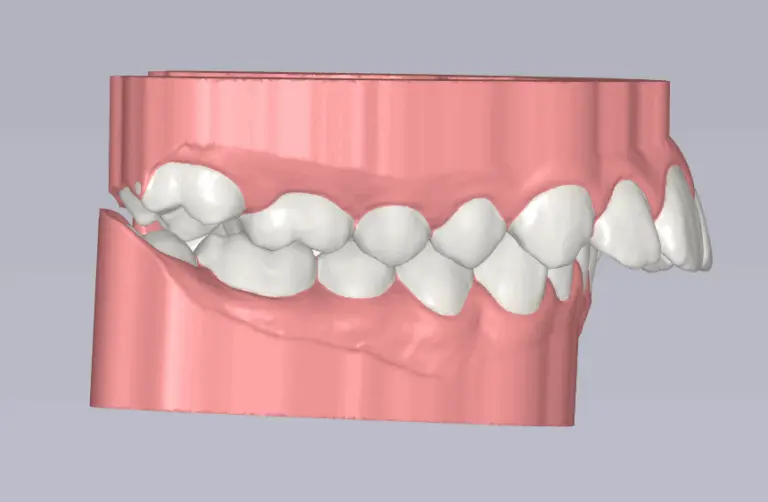
Many people confuse deepbite and overjet, but they’re two distinct bite issues that affect your teeth and jaw in different ways. Understanding the difference is the first step toward getting the right orthodontic treatment.

Deep Bite 768x418

What Is a Deepbite?

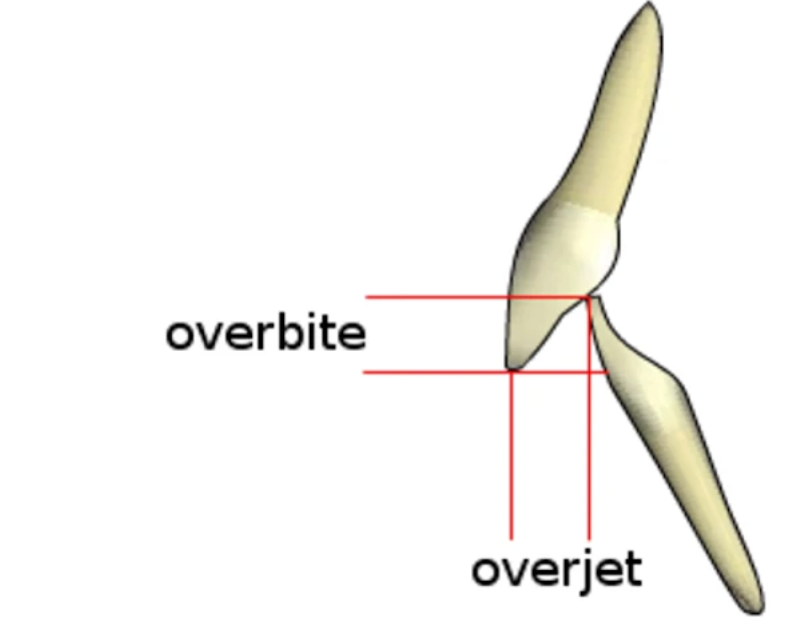
Deepbite is when the upper front teeth overlap the lower front teeth excessively (vertical overlap). This condition in some cases may also be referred to as an “overbite,” though the clinical term is deepbite. Overbite may also be used to describe a less intense deep bite.

Deepbite is usually caused by a mismatch in jaw size or tooth positioning. It can lead to worn-down lower teeth, jaw discomfort, and difficulty chewing. In some cases, it may also contribute to speech issues or gum trauma.

Deepbite is common in both children and adults and can appear with or without crowding of the teeth.

Learn more about this issue on our deep bite page.

Overjet 2 768x502

What Is an Overjet?

Overjet refers to the horizontal projection of the upper front teeth beyond the lower front teeth. This condition is commonly known as “buck teeth.”

Overjet can develop due to genetics, jaw growth discrepancies, or childhood habits like thumb sucking or prolonged dummy use. It can affect speech and chewing, and increases the risk of trauma to the front teeth, especially during falls or contact sports.

Unlike deepbite, overjet is often more noticeable from a side profile because the upper teeth push forward past the lower teeth.

Learn more on our overjet page.

Key Differences Between Deep Bite and Overjet

Deepbite involves vertical overlap. Overjet involves horizontal projection.

Attribute

DeepbiteOverjet
Type of misalignmentVertical overlapHorizontal projection
AppearanceUpper teeth cover lower teethUpper teeth stick out over lower teeth
Common causesJaw/tooth size mismatchGenetics, thumb sucking, jaw shape
Risk factorsTooth wear, jaw pain, chewing problemsSpeech issues, trauma risk
Visual cueUpper teeth hide lower teeth when bitingUpper teeth push forward past lowers


Image Showing Both Deep Bite And Overjet

Can You Have Both a Deepbite and an Overjet?

Yes, it’s possible to have both deepbite and overjet at the same time. In these cases, the upper front teeth protrude forward (overjet) while also overlapping the lower teeth vertically (deepbite).

This combination can affect both function and appearance, and the severity may vary from person to person. A full orthodontic assessment is needed to understand your bite pattern and determine the most effective treatment plan.

Why It’s Important to Treat These Conditions

Both deepbite and overjet can affect oral function, comfort, and long-term dental health. Left untreated, they can lead to more serious complications over time.

  • Deepbite can cause excessive wear on lower teeth, jaw strain, and difficulties with chewing.
  • Overjet may affect speech clarity and increase the risk of trauma to protruding front teeth.

Early diagnosis and treatment help prevent these issues from worsening and make it easier to achieve long-term bite stability and comfort.

How Orthodontics Can Fix Deepbite and Overjet

Both deepbite and overjet can be treated with a range of orthodontic solutions, depending on the severity of the issue and the patient’s age. Many treatments work effectively for both conditions, while some are more targeted to specific bite types.

LightForce Braces

These 3D-printed braces are custom made for each tooth, offering precise and efficient treatment, especially useful for correcting deepbite with comfort and accuracy.

Braces

Braces are highly effective for treating both deepbite and overjet.

  • Damon metal braces use self-ligating brackets to reduce friction and speed up treatment, especially helpful for deep vertical overlap.
  • Clear braces offer a more discreet option with similar effectiveness.

Clear Aligners (Invisalign & Spark)

Clear aligners like Invisalign and Spark are suitable for mild cases of both deepbite and overjet. They’re removable, nearly invisible, and custom-designed to move teeth gradually and precisely.

Jaw Surgery

In cases where overjet is caused by severe jaw misalignment, surgical intervention may be required to reposition the upper or lower jaw. This is typically recommended when orthodontic appliances alone can’t correct the bite.

Other Orthodontic Appliances

For younger patients, appliances like expanders or headgear may be used to guide jaw growth and reduce the severity of deepbite or overjet before braces or aligners are introduced.

At Gullotta Orthodontics, we tailor every treatment plan to your specific needs and goals. Whether you’re managing deepbite, overjet, or both, we’ll help you choose the right solution and support you every step of the way.

Not Sure Which One You Have? Gullotta Orthodontics Can Help.

If you’re unsure whether you have a deepbite, overjet, or both, our team at Gullotta Orthodontics can help. We’ll assess your bite, explain what’s happening, and recommend a treatment plan that fits your needs.

Book a consultation at our Gold Coast clinic to take the first step toward a healthier, more confident smile.

Both aligners and braces are proven methods for straightening teeth and improving bite alignment, but the right choice depends on your needs, lifestyle, and the complexity of your case.

Braces are fixed to your teeth and are often more suitable for complex movements. They can’t be removed, which means consistent wear and no need for self-discipline. Aligners are clear, removable trays that are nearly invisible and easier to clean around, but are highly dependent on patient compliance.

If you’re still unsure, we’ve broken down how aligners and braces differ across key areas like comfort, appearance, and effectiveness to help you make an informed decision.

Key Differences Between Aligners and Braces

To help you decide, we’ve broken down the main differences between aligners and braces below. Each option has its strengths, and what works best depends on your lifestyle, treatment needs, and personal preferences.

Feature Clear Aligners Braces
Appearance Made from transparent plastic, aligners are barely noticeable when worn. Metal brackets are visible; ceramic options are less noticeable but still detectable.
Removability Fully removable. You can take them out for eating, or brushing. Fixed to your teeth for the entire treatment period. No need to remember to wear them.
Comfort Smooth plastic trays may cause less irritation to cheeks and lips. Brackets and wires may cause temporary tenderness or irritation.
Eating & Drinking No food restrictions. Simply remove your aligners before eating or drinking. Avoid sticky, chewy, or hard foods that can damage brackets or get caught in wires.
Cleaning & Maintenance Ideal to brush aligners each time they are removed, and brush teeth before placing aligners back in. Tips are given to clean around brackets and under wires to prevent plaque buildup.
Average Duration Typically 24 months, depending on the complexity and compliance. Usually 12 to 24 months; can be shorter depending on case severity.
Appointment Frequency Fewer in-chair visits when incorporating Dental Monitoring, but aligners need to be changed every 1–2 weeks. Fewer in-chair visits when incorporating Dental Monitoring. Visits are required to adjust wires.
Case Complexity Ideal for mild crowding, spacing, or bite issues. Suitable for everything from mild alignment to complex bite corrections.
Discipline Required High. Aligners must be worn 22–24 hours a day to be effective. Low. Braces are always working, so there’s no need to remember to put them on.
Cost $12,000, but can differ depending on, case complexity, and treatment length. Generally $8,500-$10,500 but can differ depending on, case complexity, and treatment length.

Clear Aligners: How They Work and Who They’re Best For

Clear aligners are a low-profile orthodontic option made from transparent plastic trays that gradually move your teeth into alignment. Each set is custom-designed based on 3D digital scans of your teeth and must be worn for 22 to 24 hours a day. New trays are switched every one to two weeks, depending on the treatment plan, to keep your teeth moving.

There are several clear aligner systems available today, including Invisalign and Spark aligners, both of which follow the same principle but differ slightly in appearance and material. These brands are known for their precision and comfort, offering a discreet treatment option with reliable results.

The biggest advantage of aligners is that they’re almost invisible when worn. They can also be removed at any time, which means no food restrictions and easier brushing and flossing.

However, aligners require consistent discipline. If they’re not worn for the recommended number of hours each day, results can be delayed or compromised. They’re generally best for mild to moderate cases, and while attachments can increase precision, certain complex movements may still be better handled with braces.

Braces: How They Work and Who They’re Best For

Braces are a fixed orthodontic solution that uses brackets and wires to guide teeth into position. They stay on your teeth for the entire course of treatment, providing constant correction without relying on daily compliance. This makes them ideal for younger patients or those who prefer a set-and-forget option.

Modern braces come in several forms, including metal braces, clear ceramic braces, and newer designs such as LightForce braces. Because they allow for more precise control of tooth direction and spacing, braces are especially useful in more complex cases involving significant crowding, bite correction, or jaw alignment.

There are some trade-offs. Braces are more visible, even in their clear forms, and require extra care during brushing and flossing. Certain foods also need to be avoided to prevent damage to brackets. Despite this, braces remain one of the most effective and consistent methods for achieving a straighter, healthier smile, especially when treatment involves more advanced movement.

How to Choose the Right Option for You

Both aligners and braces can deliver excellent results, but the right choice depends on your goals, preferences, and treatment needs.

If you’re looking for a treatment that’s discreet, and removable, clear aligners may be the better fit. Aligners also make it easier to maintain oral hygiene and enjoy your usual diet without restrictions.

Braces might be more suitable if you have a more complex case, want a treatment that doesn’t rely on personal discipline, or prefer a fixed option that’s always working. Advanced systems like Damon and LightForce make today’s braces more efficient and comfortable than many expect.

An orthodontic assessment can give you a clearer picture of what will work best based on your bite, alignment, and treatment goals.

Aligners and Braces with Gullotta Orthodontics

Gullotta Orthodontics combines decades of experience with the latest in orthodontic technology. Dr Nino Gullotta has been providing orthodontic care on the Gold Coast for over 35 years and was one of the first in Australia to offer clear aligner treatments.

We offer a wide range of options, each chosen for its precision, comfort, and proven results. Every treatment is planned using digital modelling to ensure accuracy from start to finish.

Whether you prefer the flexibility of aligners or the reliability of braces, you’ll receive expert guidance and a treatment plan built around your needs.

Start Your Smile Journey Today

If you’re considering orthodontic treatment, booking a consultation is the best place to start. We’ll walk you through your options, explain what’s involved, and help you choose between aligners and braces based on your smile goals.

Call us on (07) 5532 3433 or book online and talk to our experienced orthodontic team.

When it comes to your child’s smile, early orthodontic care can make a world of difference. Braces for kids aren’t just about achieving straighter teeth; they play a vital role in addressing bite issues, improving oral health, and preventing potential complications later in life. Identifying and treating orthodontic concerns during childhood, ensures better outcomes and a smoother treatment process.

As a parent wondering if your child might need braces, it’s important to understand the benefits of early treatment and the available options. Here’s everything you need to know to help make informed decisions about your child’s orthodontic journey.

Why Kids Might Need Braces

Crooked or Crowded Teeth

When teeth overlap or grow in twisted positions due to limited space in the jaw, braces can gradually align them, creating a straighter smile and improving oral hygiene. Straight teeth are easier to clean, which helps reduce the risk of decay and gum disease.

Overbite, Underbite, or Crossbite

Bite issues occur when the upper and lower teeth don’t align properly. For example, an overbite happens when the top teeth extend too far over the bottom teeth, while an underbite is when the bottom teeth overlap the top. Crossbites occur when some upper teeth sit inside the lower teeth instead of outside. These misalignments can cause chewing problems, jaw pain, and even speech difficulties if left untreated.

Gaps Between Teeth

Large spaces between teeth, whether caused by missing teeth or natural jaw growth, can make biting and chewing difficult. Braces can help close these gaps for a more balanced and functional bite.

Jaw Alignment Issues

Sometimes, the jaw grows unevenly, leading to discomfort, facial asymmetry, or difficulty with daily activities like eating and speaking. Braces, often combined with other orthodontic devices, can guide the jaw into proper alignment during a child’s development.

What Age Should Kids Get Braces?

The ideal age for children to start braces treatments is typically around age 12, this is when most permanent teeth have erupted and the jaw is still developing. Starting orthodontic treatment around this age allows for greater flexibility in guiding teeth and jaw alignment, making the process more efficient and effective.

Why Early Intervention Matters

childrens early intervention orthodontics

Orthodontists recommend that children have their first orthodontic evaluation by the age of 7, even if no obvious issues are present. At this age, the mix of baby teeth and emerging permanent teeth provides valuable insight into potential orthodontic problems, such as:

Early assessments don’t always lead to immediate treatment, but they allow orthodontists to monitor your child’s development and intervene at the right time if needed.

Early orthodontic treatment options may include one or more of the following:

Treatment Timing

Every child’s orthodontic needs are unique, and the timing of braces will depend on their individual growth and dental development. While some children may benefit from early intervention between the ages of 7 and 10, others may not require treatment until their early teens when more permanent teeth have come in.

Types of Braces for Kids


LightForce Braces

LightForce braces represent the latest in orthodontic innovation. These braces are 3D-printed and fully customised to fit each tooth, enhancing both comfort and efficiency. LightForce braces are ideal for children who require a highly tailored approach to their orthodontic care.

Invisalign First

Invisalign First is a revolutionary clear aligner system designed specifically for growing children. These virtually invisible aligners gently guide developing teeth into alignment while being removable, allowing kids to maintain their normal eating and brushing habits. Invisalign First is particularly suited for children with early-stage orthodontic needs or those who prefer a less noticeable treatment option.

What to Expect During the Treatment Process

Initial Consultation

Your child’s orthodontic journey starts with an assessment to examine their teeth and jaw alignment. This helps create a customised treatment plan.

Fitting Braces or Aligners

Once the plan is finalised, braces or aligners are fitted. Braces involve brackets and wires, while options like Invisalign First use clear, removable trays.

Regular Adjustments

Routine check-ups are vital to track progress and make any necessary adjustments, whether it’s tightening braces or providing new aligners.

Treatment Duration

Treatment lengths are generally between 12–24 months, but this depends on the complexity of the case and the chosen treatment option.

This is a general guide, but every child’s treatment journey is unique. Choosing a practice like Gullotta Orthodontics ensures your child receives expert, personalised care every step of the way.

Why Choose Gullotta Orthodontics for Kids’ Braces?

At Gullotta Orthodontics, we understand that choosing the right Paediatric Orthodontist for your child is an important decision. With over 35 years of experience, we specialise in creating confident smiles for patients of all ages, including children.

Our friendly and compassionate team ensures your child feels comfortable throughout their orthodontic journey. From the moment they step into our clinic, they’re treated like family, with a focus on creating a personal and positive experience. Give us a call or book an appointment online today to start your journey.


We’ve all been there. Maybe we’re getting ready for work, or going to meet friends for dinner. We check ourselves out in the mirror, give a smile and think “Do I need braces?”. Or maybe it’s seeing a photo of ourselves where we’re smiling and we think “Is that what my teeth look like all the time?!”.

Well, know that you’re not alone. More and more adults are getting braces. And while our teeth can be a point of insecurity for many of us, it’s important to remember that very few people will notice or care about what your teeth look like, and so you shouldn’t feel embarrassed if your teeth aren’t quite as straight as you want them to be. That being said, braces can help. Not only can they help us achieve a straighter smile and make us feel more confident, they can even fix mild forms of malocclusion such as underbite, overbite, and crossbite, as well as other conditions such as diastema (gap teeth).

So if you want to answer the question “Do I need Braces?” once and for all, read on. Let’s answer the question together!

10 Signs You Might Need Braces

Besides questioning whether you need braces (which is a very good sign you need braces!) here are ten more to help you make the decision.

1. Crooked or Crowded Teeth

If your teeth appear twisted, overlap, or are too close together, you may need braces to realign them and create more space for proper cleaning.

2. Difficulty Flossing or Brushing

Struggling to fit floss between your teeth or finding it hard to brush certain areas can be a sign that your teeth are too close together, increasing your risk of plaque buildup and decay.

3. Bite Problems

If your upper and lower teeth don’t align properly when you bite down, this could be an overbite, underbite, crossbite, or open bite. Misaligned bites can lead to chewing problems, discomfort, and long-term jaw issues.

4. Jaw Pain or Clicking

Regular discomfort or clicking in your jaw when eating or waking up could indicate a misaligned bite, putting strain on your jaw muscles and joints.

5. Frequent Tongue or Cheek Biting

If you often bite your tongue or the inside of your cheeks while chewing or speaking, this might be a sign that your teeth are not aligned correctly.

6. Speech Issues

Difficulty pronouncing certain sounds, or a noticeable lisp, may result from misaligned teeth or bite issues that braces can correct.

7. Gaps Between Teeth

If you have large spaces between your teeth, food particles may get trapped more easily, leading to potential decay. Braces can help close these gaps.

8. Food Frequently Stuck in Teeth

Getting food stuck between teeth regularly may suggest spacing or alignment issues that could be fixed with braces to prevent bacteria buildup.

9. Mouth Breathing

If you find yourself frequently breathing through your mouth instead of your nose, it could be due to improper jaw positioning, which may be corrected with orthodontic treatment.

10. Jaw Shift or Noises

If your jaw seems to shift or make noises, this could be a sign of an underlying problem with your jaw alignment that braces may help correct.

If you’re noticing any of these signs, it’s a good idea to consult with an orthodontist for a personalised assessment. Braces may be the solution to improve both the functionality and aesthetics of your smile.

What to Consider Before You Get Braces

Getting braces is an exciting step toward a straighter, healthier smile, but there are a few important things to keep in mind before your treatment begins.

1. Dental Health Check-Up

After your consultation – before getting braces, it’s essential to ensure your teeth and gums are in good health. Book an appointment with your dentist for a routine check-up and professional clean. Having healthy teeth and gums is crucial for a successful and smooth braces journey.

2. Address Cavities or Dental Issues

While you can technically get braces with cavities, it’s always recommended to have them treated first. Dealing with cavities or other dental concerns beforehand will save you from potential discomfort or complications during your orthodontic treatment.

3. Prepare Your Teeth

In the lead-up to your braces appointment, focus on thorough brushing and flossing to ensure your teeth and gums are in the best condition possible. Good oral hygiene will help the orthodontist apply the braces more effectively.

4. Plan for the Appointment

On the day of your braces fitting, make sure to gently clean your teeth after your last meal to ensure there’s no plaque or debris. This will help the orthodontist secure the brackets smoothly and avoid any issues during application.

5. Post-Braces Care

After your braces are fitted, you may experience some discomfort. It’s a good idea to have over-the-counter pain relief handy and stock up on soft foods for the first few days while your teeth adjust. Remember, taking care of your braces through proper cleaning and eating braces-friendly foods is key to achieving great results.

Taking these steps will ensure that you’re fully prepared for your braces journey, setting the stage for a smooth and successful treatment.

Are Braces the Only Option?

Well, not only are there various brace options such as Lightforce braces as well as more traditional metal braces, there are also clear braces and even clear aligners such as Invisalign or spark aligners. Each option comes with its own set of benefits depending on your needs and lifestyle. Whether you prefer a more discreet approach with clear aligners or want the more traditional braces, talk to your orthodontist to find out what options are available to you. And if you’re on the Gold Coast then contact us today!

Should You Get Braces?

Deciding whether or not to get braces can feel like a big decision, but it’s one that can have a lasting, positive impact on both your dental health and confidence. If you’ve noticed any of the signs mentioned above—whether it’s crooked teeth, bite issues, or jaw discomfort—it might be time to take the next step. Braces can not only help align your teeth and give you the smile you’ve always wanted, but they can also prevent future complications that may arise from untreated problems.

The best way to know for sure is to book a consultation with an experienced orthodontist who can assess your individual needs and recommend the most effective treatment. At Gullotta Orthodontics, we’re here to guide you through every step of the process with personalised care and expert advice. If you’re ready to explore the possibility of braces, don’t hesitate to reach out—your perfect smile could be just around the corner!

Invisalign Pricing

As Invisalign’s popularity continues to rise, we’re hearing more and more patients ask the same important question: “How much will Invisalign cost?” Known for its discreet and comfortable approach to teeth straightening, Invisalign has become a preferred choice for many.

Invisalign costs can vary depending on several factors, including the complexity of your case, the length of treatment, and the number of aligners required. Let’s take a closer look.

Factors Influencing the cost of Invisalign


Complexity of the Case

The severity of your alignment issue plays a major role in determining the cost. Mild cases, like minor crowding or small gaps, will typically require fewer aligners and less treatment time, making the cost lower. However, more complex cases, such as severe misalignment or bite issues, will increase the cost due to the extra attention and treatment needed.

Length of Treatment

The longer your treatment plan, the higher the cost. For some patients, Invisalign treatment can be completed within a few months, while others may require more than 2 years of aligners to achieve the desired result.

Number of Aligners Required

Since Invisalign works through a series of custom-made aligners, the total number of aligners you need directly impacts the overall cost. A mild case may only need a few aligners, while more complex cases will require more.

Patient’s Age

Invisalign is a versatile treatment option suitable for both teens and adults. However, treatment for younger patients may sometimes be more straightforward, especially if it’s done during growth periods. In contrast, adult treatment may require more time and aligners, which could influence the cost.

Does Health Insurance Cover Invisalign?

Many private health insurance plans in Australia include orthodontic cover, which may help reduce the cost of Invisalign treatment. However, coverage can vary depending on the level of extras included in your policy. Generally, health funds with orthodontic benefits will offer some reimbursement for Invisalign, but it’s important to check the details of your plan to understand the specific amount covered.

When reviewing your health insurance policy, look for the following key points:

Flexible Invisalign Payment Plans at Gullotta Orthodontics

At Gullotta Orthodontics, we believe that everyone deserves access to a confident and healthy smile, regardless of financial circumstances. That’s why we offer flexible payment plans to make Invisalign treatment more accessible and affordable for our patients. Our goal is to help you achieve the results you want, without the stress of upfront costs.

We work with you to create a payment plan that suits your budget, whether it’s spreading out payments over the course of your treatment or exploring other financing options. You’ll receive a detailed, personalised quote during your consultation, ensuring that you have a clear understanding of the costs and the payment options available to you.

For more information on our flexible payment plans and to explore our financing options, visit our Financing Page or book a consultation with our friendly team today.

A common question when it comes to braces is whether or not they change your face shape. The impact of braces on facial aesthetics is a common concern, especially for those who are mindful of how their appearance may change during and after treatment. While the primary goal of braces is to straighten teeth and correct bites, they can also influence the overall structure of the face.

Although the short answer is yes, we look to explain how braces can affect facial features, including the jawline, and lips as well as alternative options to braces.

How Braces Change Your Face Shape


Braces and Children

In childhood, braces can have a noticeable impact on face shape. Since children’s bones are still growing, orthodontic treatment can guide jaw development and correct misalignments that might otherwise cause issues later in life. By aligning the teeth and properly positioning the jaws, braces can improve facial symmetry, creating a more balanced and harmonious appearance. This early intervention can prevent more severe problems and may lead to more significant changes in the shape of the face.

Braces and Adults

For adults, braces can also influence face shape, although the changes tend to be subtler. Fully developed bone structures mean that the scope for dramatic transformation is limited compared to children. However, braces can still refine the jawline and align the teeth, which can enhance facial balance and symmetry. These adjustments can lead to a more polished and aesthetically pleasing appearance, even if the changes are less pronounced than those seen in younger patients.

Do Braces Improve Jawline?

Braces can indeed improve the appearance of the jawline by addressing various alignment issues, such as overbites, underbites, and crossbites. When the teeth and jaws are properly aligned, the jawline becomes more defined and symmetrical.

Correcting an overbite, for example, can bring the upper jaw back into balance with the lower jaw, enhancing the overall harmony of the face. Similarly, addressing an underbite can prevent the lower jaw from protruding too far forward, which can make the jawline appear more prominent and aligned. By resolving these issues, braces contribute to a smoother and more aesthetically pleasing jawline.

So, “Do braces improve jawline?” The answer is typically yes. While the extent of the improvement can vary depending on individual factors, many patients find that their jawline becomes more refined and balanced after treatment.

Do Braces Affect Your Lips?

Yes, braces can affect your lips, but usually in a positive way. The alignment of your teeth plays a significant role in how your lips rest when your mouth is closed. Misaligned teeth can cause your lips to protrude or not meet properly, which may affect the overall balance of your facial features.

When braces correct these misalignments, they can subtly alter the way your lips sit on your face. For instance, if you had an overbite that pushed your upper teeth forward, this might have caused your upper lip to stick out more than usual. As braces bring your teeth into alignment, your lips may also adjust, resulting in a more natural and harmonious appearance.

The good news is that any changes to your lips are typically subtle and enhance your overall look. By bringing your teeth into proper alignment, braces help your lips rest comfortably and naturally, contributing to the improved aesthetics of your smile and face.

Alternative Options to Braces


Clear Aligners

Clear aligners, such as Invisalign or spark aligners offer a discreet and flexible option for correcting misaligned teeth and enhancing your facial aesthetics. These custom-made, transparent trays gradually shift your teeth into their proper positions without the need for metal brackets or wires. Clear aligners are especially appealing for those looking for a less noticeable way to improve their smile. They can effectively address many of the same issues that braces do, including improving the jawline and overall facial symmetry.

Orthognathic Surgery

In more severe cases of jaw misalignment, orthognathic surgery may be considered as a direct and effective solution. This surgical procedure is designed to correct significant structural issues that braces or aligners alone cannot address. By repositioning the jaws, orthognathic surgery can dramatically improve facial balance, enhance the jawline, and resolve functional problems like difficulty chewing or breathing. It’s a more involved approach, typically recommended for complex cases where other treatments may fall short.

Retainers

While retainers are primarily used to maintain the results of orthodontic treatment, they also play a role in preserving the improvements made to your face shape and jawline. After braces or clear aligners, wearing a retainer helps keep your teeth in their new positions, ensuring that the positive changes to your facial structure are long-lasting.

Your Orthodontic Experts

Ready to explore how orthodontic treatment can enhance your smile and improve your facial aesthetics? Contact Gullotta Orthodontics today to schedule a consultation. Our team is dedicated to providing expert, evidence-based care tailored to your unique needs. Whether you’re considering braces, clear aligners, or exploring other treatment options, we’re here to help you achieve a confident, beautiful smile.