Braces typically take between 12 and 24 months to straighten teeth, although mild cases may take less time and more complex bite corrections can take longer. Treatment length depends on factors such as crowding, bite alignment, age, growth patterns, and how consistently treatment instructions are followed.
One of the most common questions patients ask is how quickly they will see results. While teeth often begin moving within the first few months, creating a healthy, stable bite takes careful planning and controlled tooth movement over time.
At Gullotta Orthodontics, treatment plans are personalised to each patient’s smile, bite, and long-term goals.
How Long Do Braces Usually Take?
Most orthodontic treatment falls within these general timeframes:
Treatment Complexity | Typical Treatment Time |
Mild spacing or crowding | 6–12 months |
Moderate alignment issues | 12–24 months |
Complex bite correction | 24+ months |
These timelines vary depending on the type of movement required. Straightening slightly crowded front teeth often takes less time than correcting issues involving jaw alignment, impacted teeth, or significant bite imbalance.
Patients usually notice visible improvements early in treatment, but the later stages focus on refining the bite and creating long-term stability.
7 Factors That Affect How Long Braces Take
1. The Severity of Crowding or Spacing
Teeth with mild crowding move faster than severely rotated or overlapping teeth.
For example:
- Small gaps between front teeth often close relatively quickly
- Teeth trapped behind others require more gradual repositioning
- Severe crowding may require additional space creation before alignment begins
The more movement required, the longer treatment generally takes.
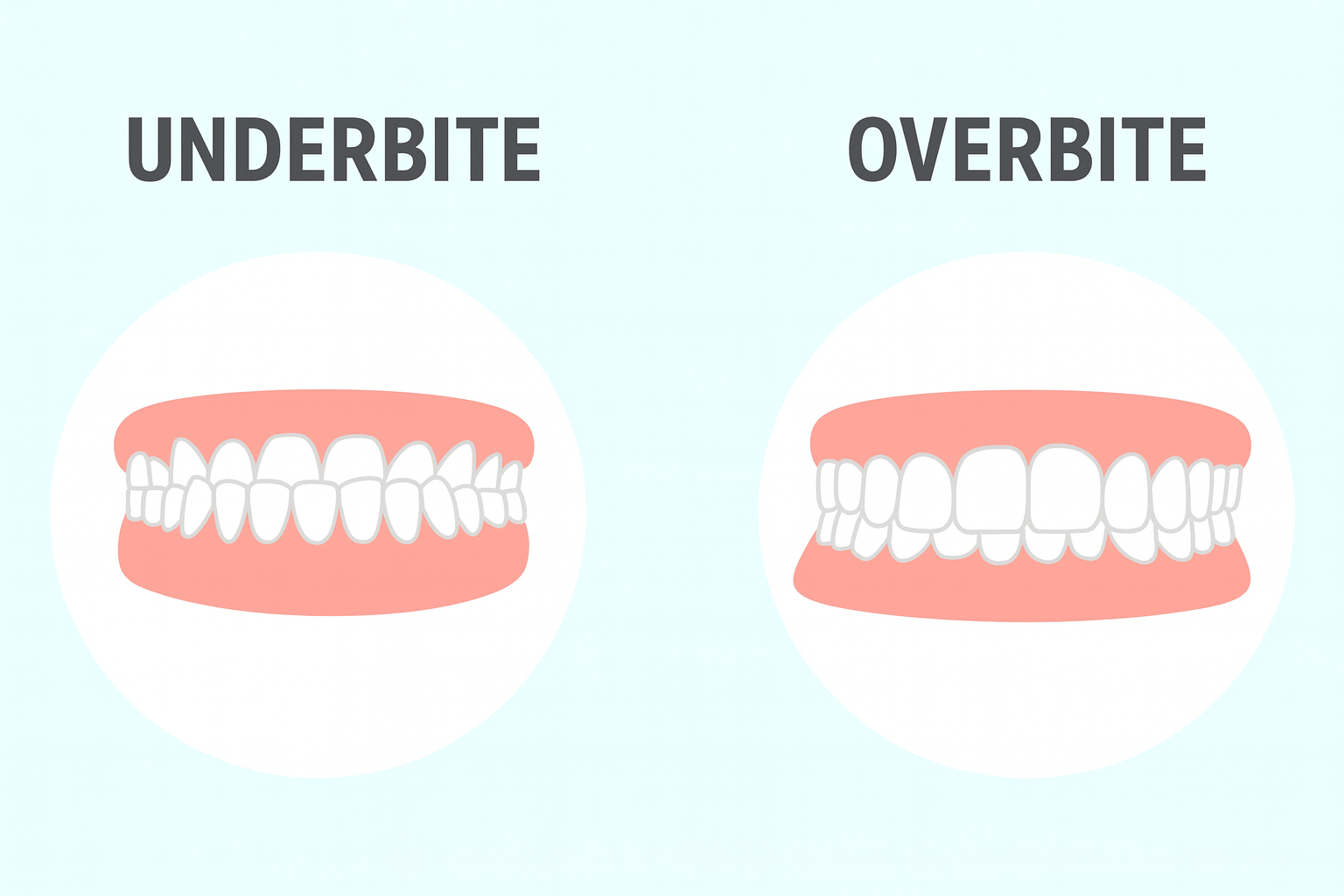
2. Bite Problems Often Extend Treatment Time
Bite correction usually takes longer than cosmetic straightening alone.
Issues such as:
- Overbite
- Open Bite
- Crossbite
- Underbite
often require more controlled tooth and jaw movement to create a balanced bite.
Correcting bite alignment improves:
- Chewing function
- Tooth wear distribution
- Jaw comfort
- Long-term stability
3. Age and Jaw Development
Children and teenagers often respond faster to orthodontic treatment because their jaws are still developing.
Growth allows orthodontists to guide development more efficiently, particularly during early intervention treatment.
Adults can still achieve excellent results with braces, although tooth movement may progress slightly more gradually because growth is complete.
4. The Type of Braces Used
Different orthodontic systems use different technologies and treatment approaches.
Traditional Metal Braces
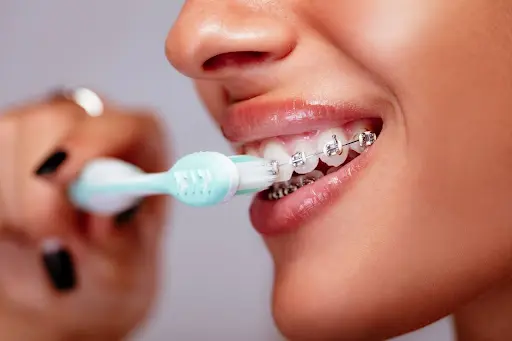
Metal braces provide excellent control for complex movements and bite correction.
LightForce Braces
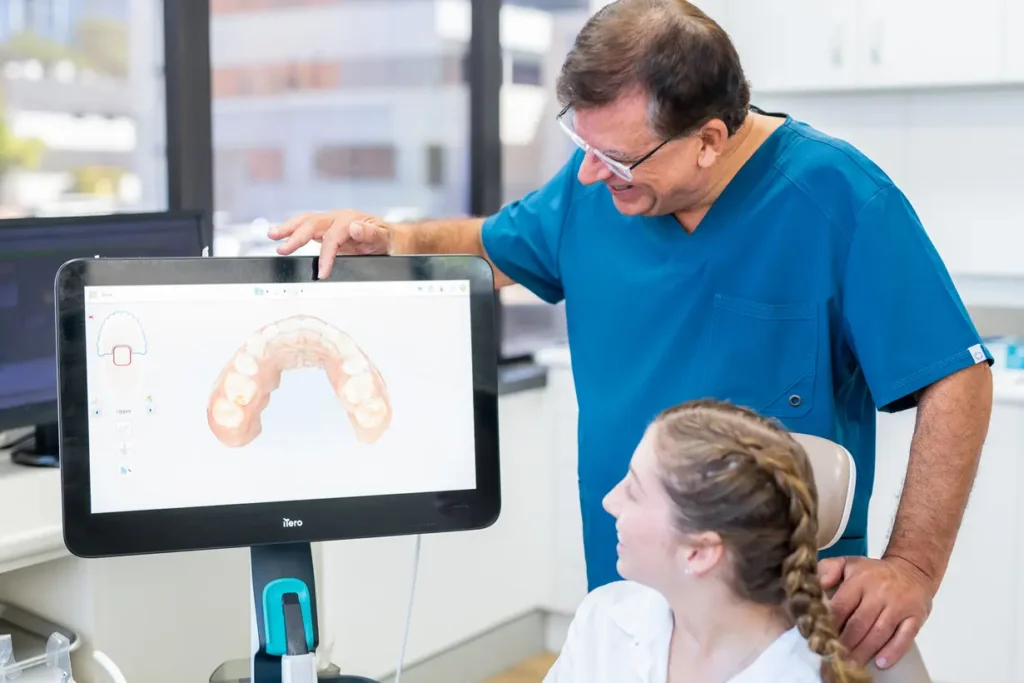
LightForce braces use fully customised 3D-printed brackets designed specifically for each tooth. This digital planning approach improves treatment precision and efficiency.
Clear Braces
Clear braces offer a more discreet fixed treatment option while still allowing detailed tooth movement.
Clear Aligners
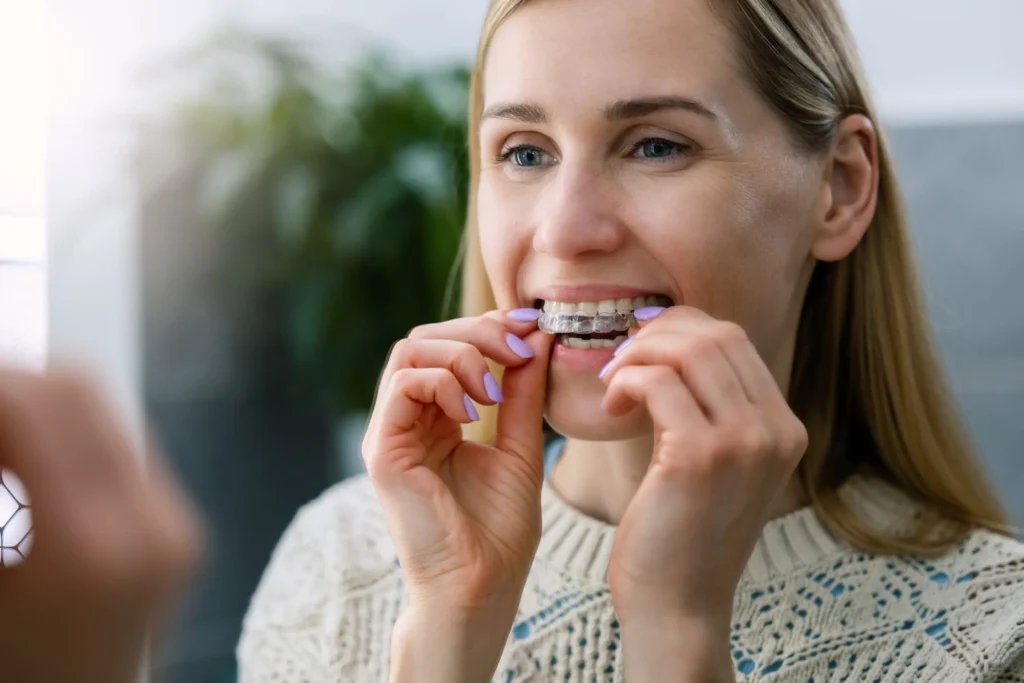
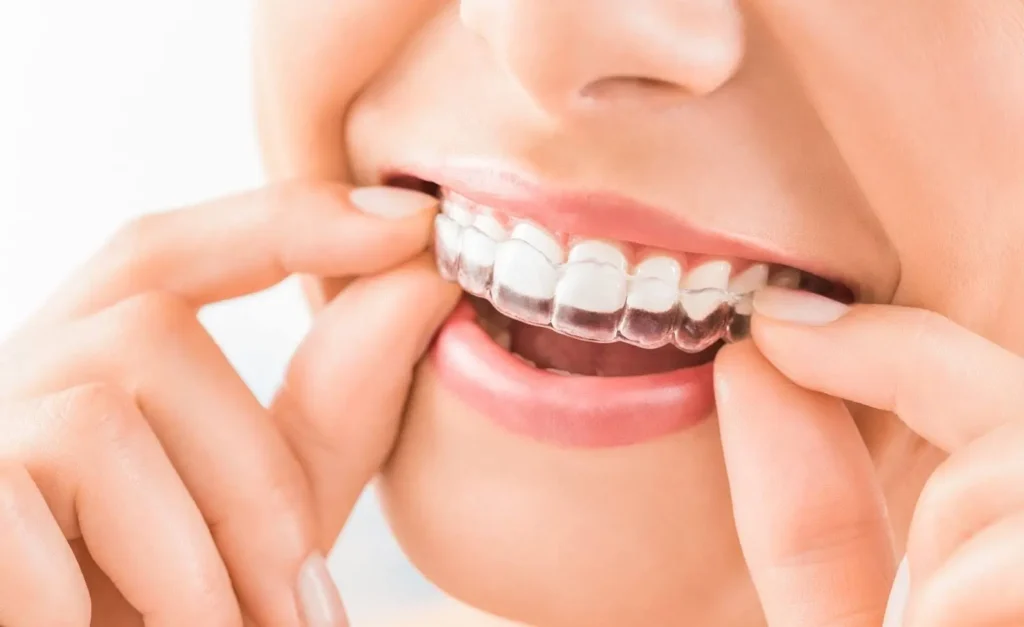
Clear aligners, including Invisalign and Spark Aligners, can treat many mild to moderate cases effectively when worn consistently.
No system guarantees a fixed treatment time. The complexity of the case remains the biggest factor.
5. Appointment Consistency Matters
Regular orthodontic appointments help treatment stay on track.
Missed reviews can delay:
- Wire adjustments
- Monitoring
- Aligner progression
- Bite refinement
Attending scheduled appointments allows your orthodontist to continue tooth movement safely and efficiently.
6. Compliance Directly Affects Treatment Time
Following instructions has a major impact on how long braces take.
Treatment delays commonly occur when:
- Elastics are not worn consistently
- Aligners are removed too often
- Brackets break from hard foods
- Oral hygiene issues interrupt progress
Small setbacks can extend treatment over time.
7. Biological Response Varies Between Patients
Teeth move through bone at different rates depending on individual biology.
Factors influencing tooth movement include:
- Bone density
- Age
- Gum health
- Tooth anatomy
- Growth patterns
Two patients with similar braces can still experience different treatment timelines.
How Soon Do Braces Start Working?
Braces begin applying gentle pressure immediately after placement.
Most patients notice:
- Mild tooth movement within 6–8 weeks
- Visible alignment improvements within 3–6 months
- Significant bite changes later in treatment
Early changes often occur faster than final bite refinement.
Can Braces Work Faster?
Orthodontic treatment focuses on safe, controlled tooth movement rather than speed alone.
Moving teeth too quickly increases the risk of:
- Root damage
- Gum recession
- Bite instability
- Relapse after treatment
Efficient treatment comes from accurate planning, consistent reviews, and patient compliance rather than rushing movement.
What Happens After Braces Come Off?
Retainers maintain the new tooth positions after braces are removed.
Without retainers, teeth naturally shift over time. Retention is a critical stage of orthodontic treatment and helps protect the long-term result.
Patients are usually provided with:
- Fixed retainers
- Removable retainers
- A personalised retention plan
Why Treatment Planning Matters More Than Speed
The goal of orthodontic treatment is not simply straighter teeth. The goal is a healthy, balanced, stable bite that functions properly long-term.
At Gullotta Orthodontics, treatment planning considers:
- Tooth alignment
- Bite function
- Jaw balance
- Facial aesthetics
- Long-term stability
This personalised approach helps create predictable and lasting results.
Book an Orthodontic Consultation
The most accurate way to estimate treatment time is through a professional orthodontic assessment. Every smile develops differently, and treatment plans vary depending on tooth position, bite alignment, and overall complexity.
Book a consultation with Gullotta Orthodontics to receive a personalised treatment plan and a realistic timeframe for your smile.